
The delivery of therapeutic exercise as a primary modality has grown in prominence in various countries around the world in recent years. In other countries, there is an active exploration of educational and accreditation pathways to realise a professional workforce to deliver therapeutic exercise. The Clinical Exercise Physiologist is an example of this with nationally recognised curricular and qualifications established and a thriving workforce existing in a number of countries including Australia, Canada, New Zealand, United Kingdom and the United States of America. At the European level, there is a Clinical Exercise Professional Requirements profile, which describes the corresponding range of knowledge, skills and social competences necessary to plan and implement exercise programmes for clinical populations.
The International Confederation of Sport and Exercise Science Practice (ICSESP) has recently developed two groundbreaking documents that set the scene for Clinical Exercise Physiology Practice on a global level, the International Clinical Exercise Physiology Professional Standards and the Principles of Professional and Ethical Practice with Exemplar Standards. On the back of these documents being produced, the ICSESP is purposefully mentoring several aspirational countries as they work within their own jurisdictions to create underpinning educational, regulatory and advocacy constructs for the Clinical Exercise Physiologist to exist.
In collaboration with the ECSS membership and its partners, including the ICSESP, the Clinical Exercise Physiology Practice Special Interest Group objectives are to:
- Provide an opportunity as part of the ECSS Congress for existing and future professional bodies that represent Clinical Exercise Physiology to mentor and be mentored.
- Establish an additional platform from which international advocacy for Clinical Exercise Physiology practice can be delivered.
- Create a forum through which proponents of Clinical Exercise Physiology practice can prepare a defined set of strategies and initiatives to be advanced in the years ahead.
- Encourage collaboration between research groups for the development of scientific proposals within the framework of clinical exercise physiology.
- Facilitate research focused on the evidence-based competencies and capabilities of Clinical Exercise Physiology professionals, with particular attention to alignment with international standards and the exploration of cross-cultural differences in education, practice, and professional recognition.
Draft Agenda
- Welcome and Overview of International Developments in CEP Practice
- Updates from Countries Where CEP Practice is Emerging (Türkiye, India, Spain and Greece)
- What's New in CEP Professional Standards, Scope of Practice and Accreditation/Certification
- Next Steps in Advancing CEP Practice
- Defining the Scope of Practice of the Clinical Exercise Physiologist across different countries
- Minimum education standards and core competencies (including clinical placement requirements)
- Risk stratification and safety standards for clinical exercise delivery
- Research initiatives to advance CEP practice
- Open Question and Answer Session
Date: Thursday, 9 July
Time: 15:30 – 16:30 (during poster session)
Session room: 5A
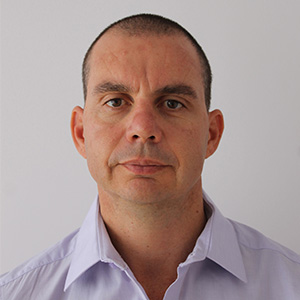
Nathan Reeves
Director, International Confederation of Sport and Exercise Science Practice
Chair, Standards Council, Exercise & Sports Science Australia
Senior Lecturer, Griffith University
Adjunct Professor, University of Fiji
Accredited Exercise Physiologist
Gold Coast, Australia
This email address is being protected from spambots. You need JavaScript enabled to view it.
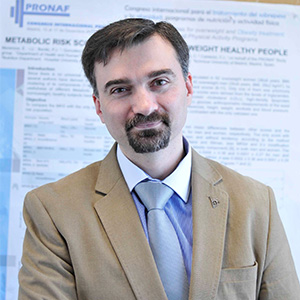
Prof Pedro Benito
LFE Research Group, Department of Human Health and Performance,
Universidad Politécnica de Madrid
Madrid, Spain
This email address is being protected from spambots. You need JavaScript enabled to view it.

Prof Turker Biyikli
Faculty of Sport Sciences,
Marmara University
Founder, Athletic House Academy
Founder, HouseFit Clinic
Istanbul, Türkiye
This email address is being protected from spambots. You need JavaScript enabled to view it.

Ass Prof Kade Davison
Chair, International Confederation of Sport and Exercise Science Practice
Dean of Programmes (Allied Health), University of South Australia
Accredited Exercise Physiologist
Adelaide, Australia
This email address is being protected from spambots. You need JavaScript enabled to view it.

Dr Atharva Dole
Founder and Lead Exercise Physiologist Vyaiam Exercise Physiology Clinic
Clinical Exercise Physiologist
Pune, India
This email address is being protected from spambots. You need JavaScript enabled to view it.

Ass Prof Anna Szumilewicz
Head of the Physical Activity for Women’s Health Department,
Gdansk University of Physical Education and Sport,
Gdansk, Poland
This email address is being protected from spambots. You need JavaScript enabled to view it.
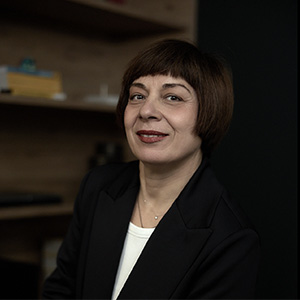
Dr Athanasia Zourladani
Aristotle University of Thessaloniki,
School of Physical Education and Sport Science
Teaching and Research Staff (Lecturer) in Fitness & Exercise Programming
Founder & Scientific Director: Human Studio, www.humastudio.gr | Human Mama, www.human-mama.com | Human School
Thessaloniki, Greece
This email address is being protected from spambots. You need JavaScript enabled to view it.
This email address is being protected from spambots. You need JavaScript enabled to view it.